
- New
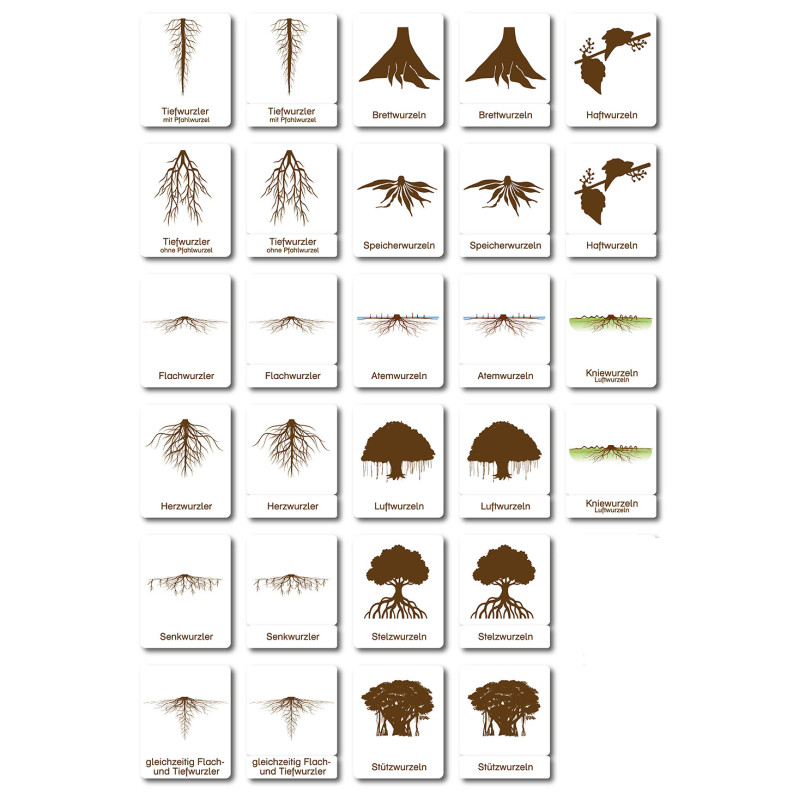

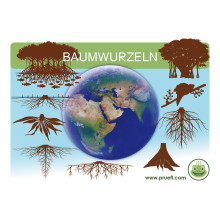
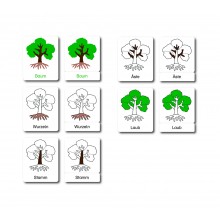
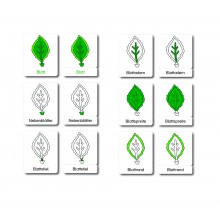
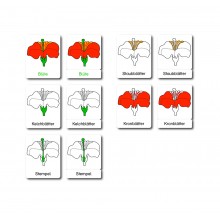
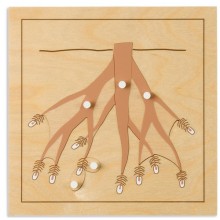
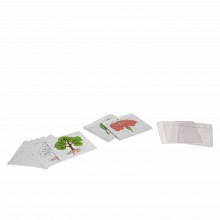
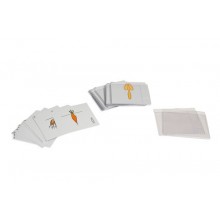
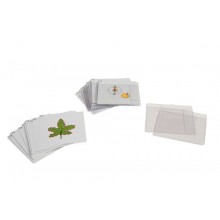
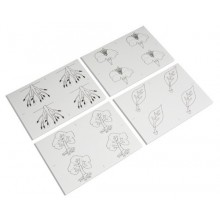
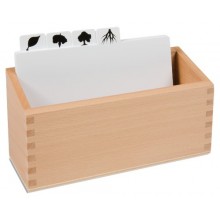
The classification cards invite children to load roots, 14 different types of roots to get to know, compare, and name. The botanical learning material supports precise observation and vocabulary building. An appealing box allows for organized storage and presentation in the prepared environment.
Please note:
Montessori materials are NOT toys, but educational materials. Proper use requires appropriate training.
Montessori materials may contain small, rough, sharp, or other elements that could cause injury or damage if used improperly.
It may therefore only be used by children under the supervision of appropriately trained persons and in an appropriate environment.
Roots are usually underground and remain hidden from our view. With the classification cards for 14 different types of roots this part of the plant comes into focus. Children discover different forms and engage with their characteristics.
By observing and comparing, they recognize similarities and differences. The labels help to articulate observations and learn botanical terms. Thus, the card work connects the engagement with plants to precise perception and linguistic learning.
The material also offers points of connection for nature observations: What do the roots of an excavated plant look like? What characteristics can be found on the cards? Such comparisons link the work in the learning environment with personal discoveries in nature.
attractive storage box keeps the cards organized and is suitable for presentation in the prepared environment. The material can be selected purposefully and returned to its place after use.
Possible applications
For botanical learning opportunities in kindergarten, the subject teaching in primary school, and free work in Montessori learning environments.
Application note
At the beginning, a small selection of root types is examined and named together. Subsequently, the child compares the characteristics and describes differences. With increasing familiarity, the selection can be expanded to all 14 root types.
Product details
Learning areas
Botany, plant knowledge, visual differentiation, comparison, concept formation, and vocabulary.
The classification cards invite children to load roots, 14 different types of roots to get to know, compare, and name. The botanical learning material supports precise observation and vocabulary building. An appealing box allows for organized storage and presentation in the prepared environment.